
Accountant for Tradies in Malvern East
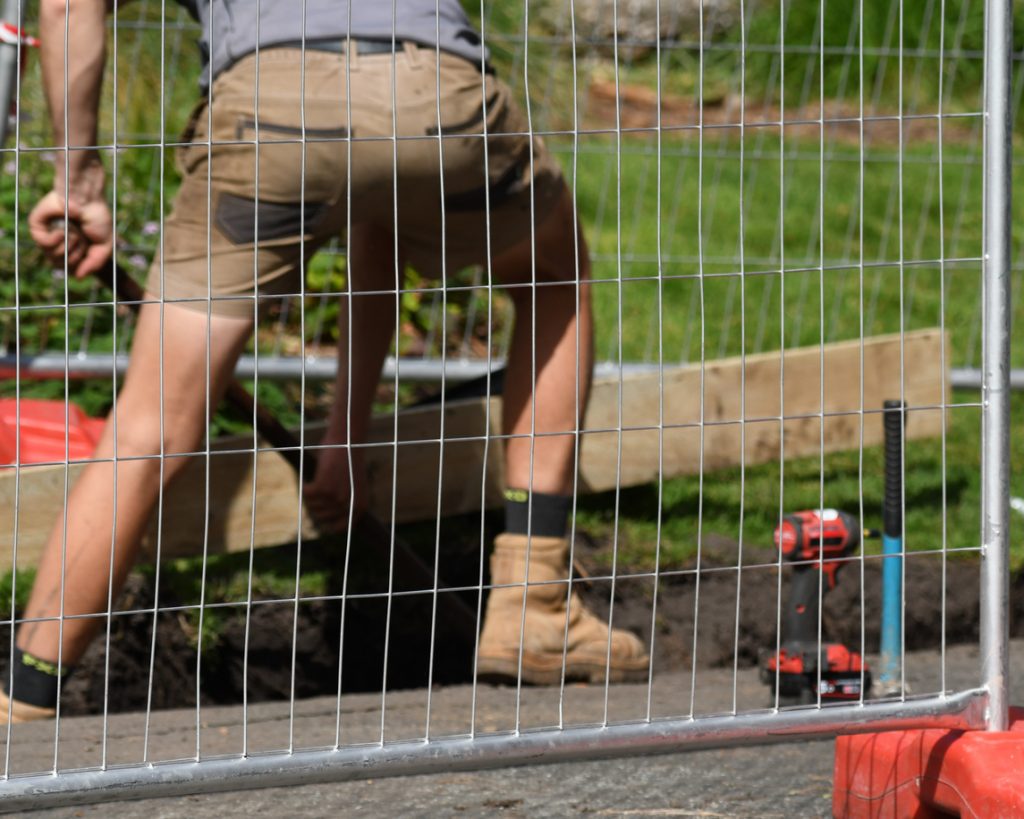
If you’re a plumber, electrician, carpenter, builder or bricklayer running your own business, chances are the books get done at 9pm after the tools are packed away — if they get done at all until BAS is nearly due. Ruth Watson & Associates works with tradies across Malvern East and south-east Melbourne who need an accountant that actually understands how trade work runs day to day, not one that treats every client like a desk-based service business.
We’re a family-owned firm that’s been based in Malvern East since 2003, and tradies are one of the industries we’ve built particular depth in. Whether you’re a sole operator just starting out, a subbie juggling multiple builders, or you’ve grown into running your own crew, we help you get paid properly, keep the ATO off your back, and actually know whether a job made you money.
The Financial Pressures Every Trade Business Faces
Trade businesses don’t run like most other small businesses, and the pressures are fairly consistent across the trades even though the day-to-day work looks different. Cash flow is usually the first issue — you’re often paying for materials and labour well before an invoice is paid, so a business can look busy and still be tight on cash. Job-by-job profitability is the second: an annual profit and loss tells you whether the year went well, but not which jobs were actually worth taking once materials, travel and callbacks are accounted for. On top of that, BAS and GST lodgements land every quarter regardless of how flat out you are, and decisions about subcontractors, vehicles and equipment all carry real tax consequences that are easy to get wrong without someone checking your thinking.
Accounting and Tax Support, Trade by Trade
The trades share plenty in common, but the detail of how the money moves differs enough between them that it’s worth calling a few out directly.
Plumbers
Plumbing income is usually a mix of reactive callout work, priced by the hour or the visit, and larger quoted jobs like renovations or new fit-outs — and that mix makes for lumpy, hard-to-forecast cash flow if it isn’t tracked properly. Materials margin needs to be captured accurately job by job so it isn’t quietly swallowed by “just being busy,” and BAS timing matters when a chunk of your income arrives in irregular bursts rather than a steady weekly wage. We help plumbers set up bookkeeping that separates callout work from project work, so you can see which side of the business is actually paying the bills.
Electricians
Electrical work often splits between domestic callouts, larger commercial contracts, and recurring compliance work — testing, tagging, safety certification — that keeps coming in regardless of whether you’ve landed a big new job. Those income streams carry different margins and different GST treatment in some cases, so lumping them together in one set of books can hide which part of the business is actually growing. We also see plenty of electricians managing subcontractors on bigger commercial jobs, which brings its own classification and payroll questions.
Carpenters and Builders
This is about builders who are still running their own jobs and subcontracting in the trades they need — not the larger building companies juggling several developments from an office, who face a different set of pressures entirely. For a hands-on carpenter or builder, the financial picture usually centres on managing multiple trades across one build, tracking costs against a job that might run for months, and dealing with progress payments and retentions that get held back until the work is signed off — all of which hits cash flow differently to a same-day callout trade. As the jobs get bigger and you’re managing more subcontractors, the question of whether you should still be operating as a sole trader becomes worth revisiting; we provide structuring advice as building businesses grow past what that original structure was built for.
Bricklayers and Other Trades
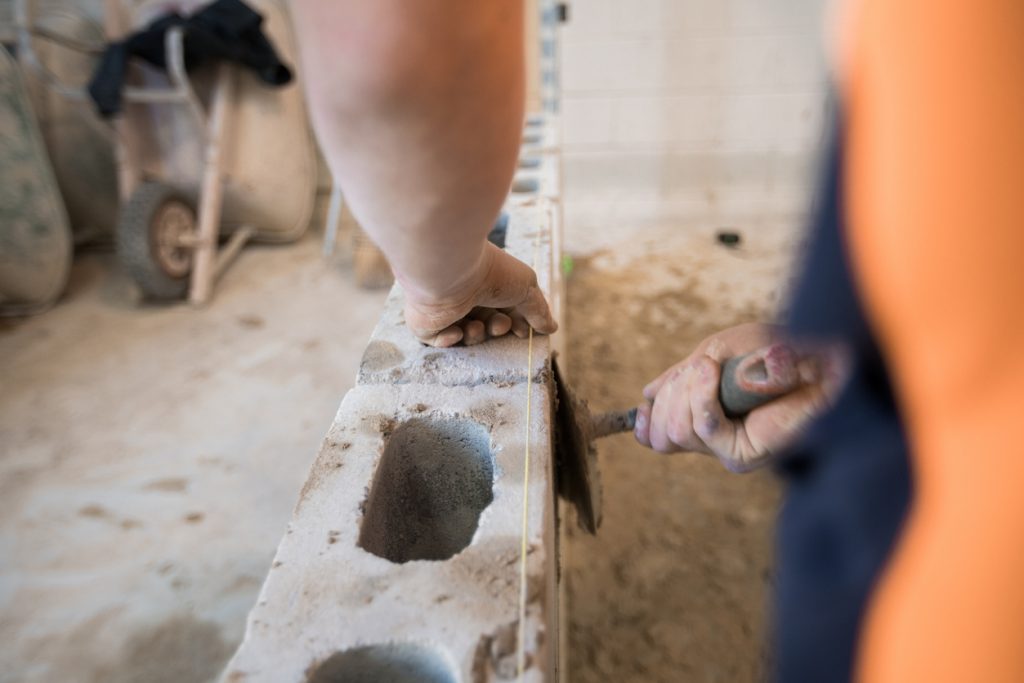
Bricklaying often works on piece-rate or output-based pricing rather than a flat quote, which means income is closely tied to how much ground gets covered — and that’s heavily exposed to weather and site delays in a way that indoor trades aren’t. Painters, tilers, roofers, plasterers and landscapers deal with a similar mix of materials tracking, BAS timing and subcontractor questions, even though we haven’t given each one its own section here. If your trade isn’t specifically named on this page, get in touch — we work with a broad range of trades across Malvern East and we’ll be upfront if a different specialist would serve you better.
Bookkeeping and BAS That Keeps Pace With the Job
The most common thing we hear from trade clients is that bookkeeping falls behind the moment work picks up, and then BAS time turns into a scramble. We handle bookkeeping and BAS support through our online client portal, so you can upload invoices, receipts and bank statements as you go rather than saving a shoebox for us at quarter-end. We work in Xero, QuickBooks and Reckon, so your books stay current and your BAS lodgements happen on time, without you having to become a bookkeeper on top of everything else.
Done properly, this also gives you something more useful than compliance — a clear, current picture of what each job actually costs you, so you can price the next one with confidence instead of a gut feeling.
Subcontractors or Employees: Getting the Classification Right
Almost every trade business ends up asking the same question at some point: is the person I’m bringing on a subcontractor or an employee? It’s a common source of confusion, and getting it wrong can be costly — the ATO looks at the whole working relationship, not just whether the person has an ABN or invoices you. Factors like who controls how and when the work is done, who provides the tools and equipment, who carries the risk if something goes wrong, and whether the person can subcontract the work themselves all matter more than the label on the arrangement.
We help tradies work through this properly before it becomes a problem, using the ATO’s own framework as the starting point. You can read the ATO’s current guidance on employee versus independent contractor status directly, and we’re always happy to talk through your specific arrangement rather than leave you guessing.
Claiming Vehicle and Equipment Costs Properly
Utes, trailers, power tools and larger equipment are core to most trades, and how you claim them makes a real difference to your tax position. Generally speaking, smaller purchases can often be claimed in full in the year you buy them, while larger or more expensive items are usually claimed over time as they decline in value — but the specific rules, thresholds and eligibility criteria are set by the ATO and do change from year to year, including with Federal Budget announcements. Rather than quote a figure here that may be out of date by the time you read it, we’d rather talk you through what applies to your situation and confirm the current position against the ATO’s instant asset write-off guidance before you commit to a purchase.
As Your Trade Business Grows
Plenty of our trade clients start out needing nothing more than a hand with BAS, and end up needing a lot more as the business takes on staff and bigger jobs. Once you’re running a crew rather than just yourself, payroll support takes the compliance and admin burden off your plate — tax withholding, super and payroll reporting handled properly, without you needing to become an expert in it. For businesses that have grown to the point where you need real financial oversight but can’t justify a full-time finance hire, our Virtual CFO support gives you that guidance on a scale that fits the business.
And because we work across both business and personal tax under one roof through our broader tax accounting services, we can also help make sure your personal tax position — including how you’re paid out of the business — is working in your favour, not just the company’s.

Why Tradies in Malvern East Choose Ruth Watson & Associates
We’ve been a family-owned accounting firm in Malvern East since 2003, and trade businesses across the south-eastern suburbs have been part of our client base for a long time. That means we’ve seen the full arc — from a single ute and an ABN through to businesses running multiple crews — and we understand the pressures that come with each stage, and the differences between trades.
Rather than treating you as a once-a-year tax return, we aim to be the accountant you check in with when a job’s gone sideways on cash flow, when you’re deciding whether to take on your first apprentice, or when a builder’s asking you to sign a new subcontractor agreement. Our online portal means none of that requires you to come off the tools during business hours — you can upload what we need and we’ll take it from there.
Frequently Asked Questions
Do you work with a specific trade, or is this a one-size-fits-all service?
We work across plumbing, electrical, carpentry, building, bricklaying and a range of other trades, and we treat the differences between them as real rather than cosmetic — the way a plumber’s cash flow works isn’t the same as a bricklayer’s. If your trade isn’t listed above, get in touch and we’ll tell you honestly whether we’re a good fit.
I’m a sole trader — do I need to become a company?
Not necessarily, and it depends on your situation. Sole trader status works well for plenty of trade businesses, particularly early on. It’s worth reviewing once your income, risk exposure or plans for taking on staff or subcontractors change, and we can walk you through what a different structure would actually mean for you before you decide.
Can you help me work out whether someone I’m using is a subcontractor or should be an employee?
Yes, this is one of the most common questions we get from trade clients, and it’s worth getting right before it becomes an ATO issue rather than after. We’ll talk through your specific working arrangement against the ATO’s framework and tell you plainly where things stand.
My bookkeeping has fallen behind — can you help me catch up?
Yes. It’s a common situation, particularly after a busy stretch of work, and it’s much easier to fix than most tradies expect once we get access to the right information. Get in touch and we’ll talk through what’s needed to bring things back up to date.
Get in Touch
If you’re a tradie in Malvern East or the surrounding suburbs and you’re after an accountant who understands job costing, subcontractor arrangements and the cash flow reality of trade work, get in touch today on (03) 9530 4944 or [email protected]. You can also see the full range of industries we serve to check where your business fits.