

Should you lodge your tax return the moment the new financial year opens, or is it smarter to wait? It is one of the most common questions at tax time, and the short answer might surprise you: being first is rarely the goal. Getting your return right, with all your income and deductions accounted for, matters far more than getting it in quickly.
If you are wondering when to do your tax return in Australia, this guide covers the basic timeline, the rare circumstances in which you can lodge before the end of the financial year, the real pros and cons of lodging early, and what to do if you need more time. Ruth Watson & Associates has been guiding Malvern East and south-eastern Melbourne clients through tax time since 2003, so these are questions we answer every year.
When to Do Your Tax Return in Australia: The Basic Timeline
The Australian income year runs from 1 July to 30 June. For most people, the normal time to lodge is after the year ends, once all your income information for that year is available. If you lodge your own return, the due date is generally 31 October, and the ATO sets out the details on its preparing your tax return page.
If you use a registered tax agent, you may have a later lodgment date under the ATO’s lodgment program, provided you engage the agent before the standard due date. That is not a loophole. It simply reflects the time a thorough return takes, and it is one of the practical benefits of having a professional in your corner.
So the practical answer to “when should I do my tax return?” is this: any time from 1 July, but ideally once your information is complete. The next few sections explain why that distinction matters.
Can You Lodge a Tax Return Early, Before 30 June?
For most people, no. The ATO only accepts an individual tax return before the end of the income year in a narrow set of circumstances, both of which involve leaving Australia. You may be eligible if you are a foreign resident for tax purposes who is leaving Australia permanently and will no longer receive Australian-sourced income, other than limited items such as interest, dividends and royalties. You may also be eligible if you are an Australian resident who is leaving Australia, will cease to be an Australian resident for tax purposes, and will no longer receive Australian-sourced income apart from those same limited items.
Early lodgment in these cases is done on a paper return, which takes longer to process than an online one, and anyone who is not leaving permanently needs to wait for the normal lodgment period. The ATO explains the requirements on its page on lodging your tax return before leaving Australia. Because a mistake here can leave you with an unexpected debt, and interest on top, we recommend getting advice before you go.
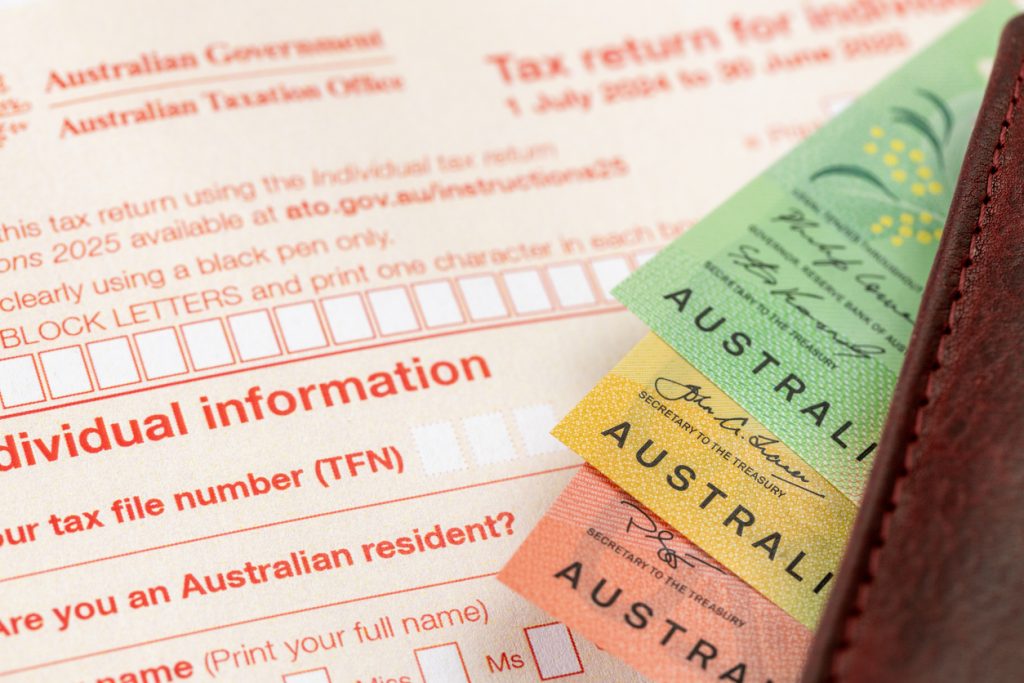
The Pros of Lodging Your Tax Return Early in the New Financial Year
When people talk about lodging early, they usually mean lodging soon after 1 July rather than before 30 June. Done properly, this has real advantages:
- You may receive a refund sooner, which helps if you are waiting on funds.
- Your records and receipts are fresh, so deductions are easier to remember and substantiate.
- A simple return, such as one salary and a handful of standard deductions, can be completed quickly once the data is in.
- You avoid the last-minute rush and the stress of approaching deadlines.
- Any problem, such as a debt or a discrepancy, comes to light with plenty of time to fix it.
If you are interested in what happens after you lodge, our guide to how long a tax return takes explains the ATO’s processing stages.
The Cons of Lodging Too Early
The biggest risk is lodging before your information is complete. The ATO advises waiting until your employer has finalised your income statement and it shows as “tax ready”. Interest, dividends, private health insurance details and other third-party data also take time to flow into the ATO’s systems after the end of the year.
If you lodge before all of that has arrived, several things can go wrong. Your return may not match what the ATO already holds, which can trigger a check and slow your refund. Figures may change after you lodge, which means you need to amend your return. Worse, if the ATO assesses your return on incomplete income figures, it may later reclaim an incorrect refund or raise a debt.
Early lodgers also sometimes miss deductions. When you rush, it is easy to overlook work-related expenses, donations or investment costs that would have reduced your tax. A quick return is not a good return if it costs you money.
So, When Is the Best Time to Lodge Your Tax Return?
For most people, the best time to lodge is as soon as everything is ready, not as soon as possible. In practice that means your income statement is finalised, your pre-filled information is complete and you have the records to support your deductions. If you have a straightforward return, that point usually arrives within weeks of the new financial year opening.
If your affairs are more involved, the answer changes. Property investors with rental income and depreciation, sole traders and business owners, and people with shares or other investments often have more information to gather and reconcile. For them, waiting for complete records and having a professional prepare the return is usually the faster route to a correct result. Our rental property tax advice is designed for exactly this situation.

What If You Need to Delay Lodging Your Tax Return?
Sometimes lodging later is the right call. Perhaps your records are incomplete, your circumstances are complicated or you simply need more time. Lodging later is perfectly legitimate when done correctly, but it needs to be done properly. If you are using a registered tax agent, make sure you engage them before the standard due date so you can access the lodgment program. If you are lodging yourself and cannot meet the due date, contact the ATO as early as possible, because penalties can apply to late lodgment.
Leaving it until you are already overdue is where problems start. Our article on what happens if you fail to meet your tax obligations explains the consequences of late tax returns and why acting sooner is always better.
Lodging Your First Tax Return
If this is your first tax return, the same principles apply, with a few extra points to keep in mind. Most people who earn income and have tax withheld should lodge a return, because it is how any overpaid tax is refunded. You will need a tax file number, your income statement from each employer, and your bank details. Wait until your income statement is finalised, then work through your deductions carefully. If you are unsure what a return involves, our guide to what a tax return involves is a good place to start.
How Ruth Watson & Associates Helps You Lodge at the Right Time
Timing is only one piece of the puzzle, but it is a piece we handle every year. We are a Registered Tax Agent (71071007) and members of the Institute of Public Accountants (IPA) and the National Tax & Accountants’ Association (NTAA). Our tax accounting services cover individual and business returns, tax planning and ATO representation, so you know when your return is ready, when to lodge and what to do if something changes.
Through our client portal, you simply upload your information and we take care of the rest. For business owners, our year-round bookkeeping means tax time is a review rather than a scramble, and our end of financial year planning helps you prepare before 30 June.
Frequently Asked Questions About When to Do Your Tax Return
When can I start my tax return?
You can generally lodge from 1 July, after the income year ends on 30 June. The ideal time to lodge is once your income statement is marked “tax ready” and your pre-filled information is complete.
Can I lodge my tax return before 30 June?
Only in limited circumstances, such as leaving Australia permanently and meeting the ATO’s conditions. Early lodgments are made on paper. Everyone else needs to wait until the new financial year.
What is the deadline to lodge a tax return?
If you lodge your own return, the due date is generally 31 October. If you use a registered tax agent, you may have a later date, but you need to engage the agent before the standard due date. Check the ATO’s website for the current dates.
Is it better to lodge early or wait?
It is better to lodge when your information is complete. Lodging soon after 1 July can mean a faster refund, but lodging before your income statement is finalised can lead to mismatches, amendments and delays.
What does “tax ready” mean?
It means your employer has finalised and submitted your income statement information to the ATO. Lodging before it is tax ready risks working from figures that may still change.
Do I need a tax agent to lodge later than the deadline?
You do not need one to lodge, but using a registered tax agent can give you access to later lodgment dates under the ATO’s lodgment program. You need to engage the agent before the standard due date.
Not Sure When to Lodge? Get in Touch Today
If you would rather not guess, let us take care of it. Get in touch today on (03) 9530 4944 or email [email protected], or contact us online and see how we can help you lodge at the right time and with confidence.